
Modern medicine stands at a pivotal intersection where the speed of technological progress aligns with the pressing demands of global healthcare systems. For decades, the path from a conceptual breakthrough to a bedside reality was paved with logistical bottlenecks, regulatory friction, and the sheer complexity of biological systems. Today, computational intelligence is transforming this traditional paradigm by providing the necessary tools to decode complex data patterns and streamline once-monolithic processes.
The integration of artificial intelligence into life sciences represents more than just a marginal improvement in efficiency; it represents a structural shift in how medical solutions are conceived and validated. As we explore the landscapes of drug discovery, surgical precision, and trial optimization, it becomes clear that AI acts as a strategic partner. This collaboration enables researchers and clinicians to concentrate on making high-level decisions, while automated systems handle the complex tasks of data analysis and predictive modeling.
Creating breakthrough medical products has traditionally been challenging due to lengthy development cycles, regulatory hurdles, and high failure rates. A comprehensive overview of these technological shifts demonstrates how AI resolves systemic industry bottlenecks to accelerate medical innovation.
Advancing Medical Device Engineering Through AI Integration
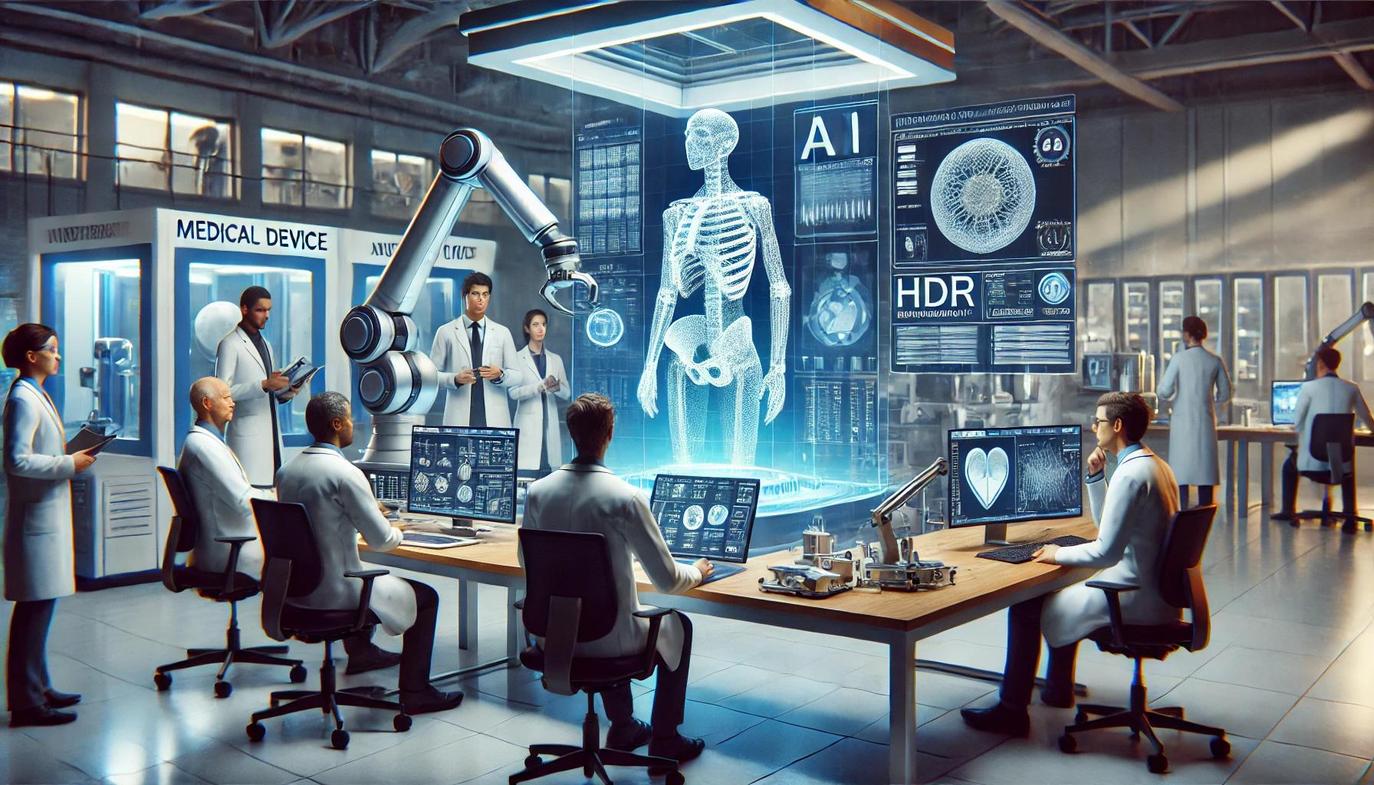
Engineering teams leverage artificial intelligence to enhance medical device development at every stage of the lifecycle, ranging from initial concept and design through validation and commercialization. Integrated design tools help engineering teams examine detailed performance data, test different usage situations, and improve comfort and usability before creating physical prototypes, leading to safer and more user-friendly products.
Firms specialized in medical device development, like CLEIO’s integrated approach to medical device design and engineering, ensure regulatory compliance while bringing innovative devices to market faster and with greater confidence.
Revolutionizing Drug Discovery with Machine Learning Analytics
Identifying Novel Molecules
AI technology has transformed how researchers discover potential drug candidates. Machine learning algorithms analyze vast chemical databases to predict which molecules might effectively treat specific conditions, significantly reducing discovery timelines.
Researchers train models on massive repositories of existing drug data to initiate the discovery process. Predictive algorithms can identify small patterns that human researchers might miss. Augmented research models amplify scientists’ capabilities rather than replacing them, allowing researchers to focus on validating the most promising candidates.
Clinical teams consider this technology particularly valuable when tackling diseases with complex mechanisms or those requiring entirely new therapeutic approaches.
Optimizing Clinical Trials with Predictive Patient Matching
Clinical trials traditionally demand years and significant financial investment. AI now transforms this landscape by optimizing multiple aspects of the trial process.
Patient recruitment often causes significant delays, yet AI systems scan electronic health records to identify suitable candidates based on precise criteria. Innovative firms like Antidote and Deep 6 AI pioneered specialized tools that match patients to appropriate trials in minutes rather than months.
During trials, AI monitors patient data in real-time, flagging potential issues before they become serious problems. Real-time monitoring enables adaptive trial designs that adjust protocols based on incoming results, potentially saving valuable development time.
Automated systems significantly enhance data analysis by processing results with greater speed than manual methods. Analytical platforms detect subtle patterns across participant groups, giving researchers additional information about drug efficacy and safety profiles.
Trials utilizing AI support are expected to be up to 30% faster than traditional approaches. Rapid clinical validation brings life-saving treatments to market with improved efficiency.
Enhancing Surgical Precision with Robotic and Analytical Intelligence
Video Analysis for Surgical Skills
AI technology transforms how surgeons learn and perfect their craft through advanced video analysis. Modern systems can review recorded procedures, identifying techniques, movements, and decision points that lead to optimal outcomes.
AI provides data-driven feedback to surgical teams, highlighting improvements that human observers might overlook. Automated analytics track hand movements, tool positioning, and procedural efficiency to create personalized learning pathways for each practitioner.
Medical institutions implementing this technology report significant improvements in training effectiveness. Practitioners gain detailed insights into their performance, enabling targeted practice and rapid skill refinement. The data-driven approach removes subjective assessment barriers and accelerates the learning curve for new techniques.
AI video analysis also facilitates knowledge sharing across medical facilities. Successful approaches can be documented, analyzed, and distributed as teaching materials, standardizing best practices throughout the healthcare system.
Robotic-Assisted Techniques
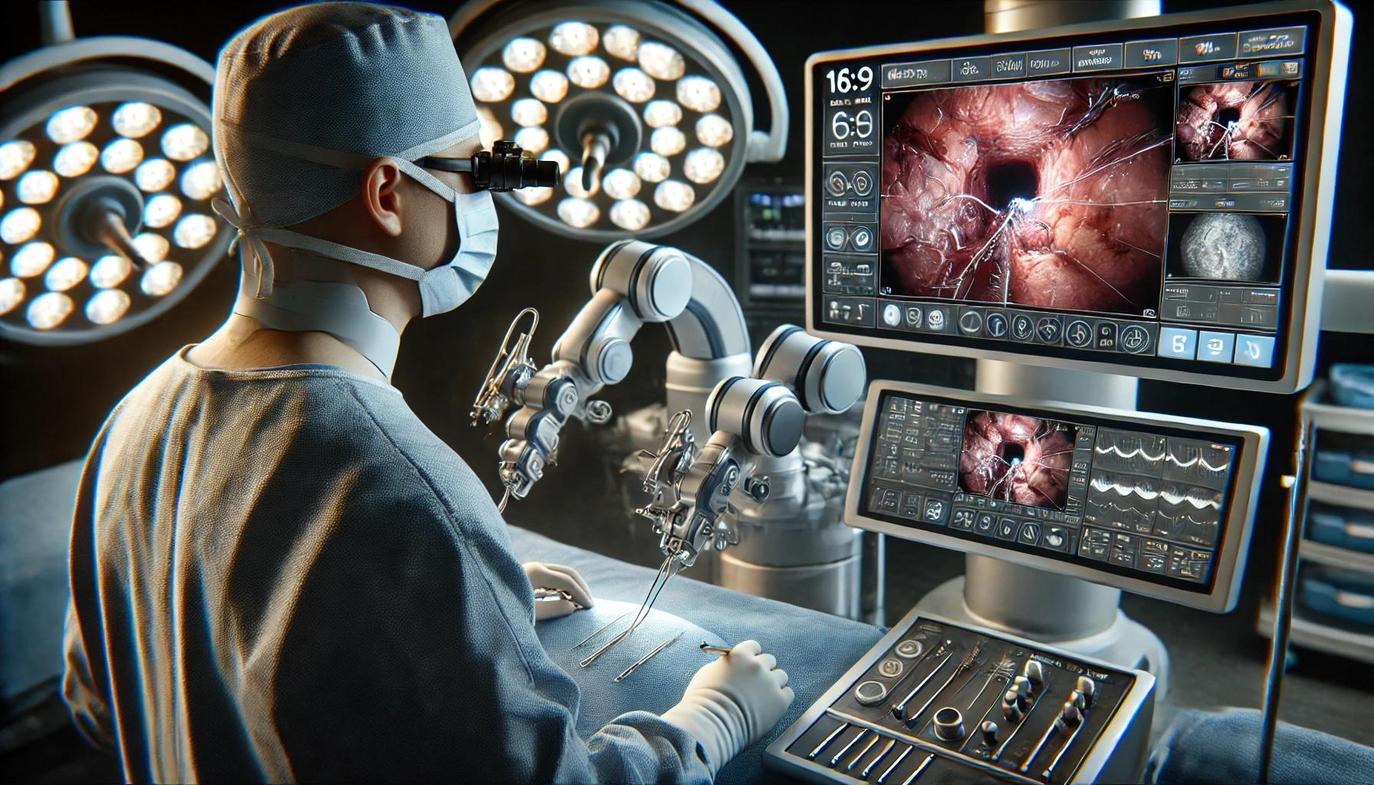
AI-powered robotic systems bring unprecedented precision to the operating room. These technologies translate a surgeon’s hand movements into micro-precise actions, filtering out natural tremors and enabling procedures that would challenge even the steadiest human hands.
Clinical data indicates improved patient recovery times and reduced complications when using these advanced systems. Leading platforms demonstrate how AI enhances surgical capabilities across diverse specialties:
- The da Vinci Surgical System assists with minimally invasive procedures using advanced AI algorithms.
- The Monarch Platform provides precision guidance for complex lung procedures.
- The Mako System optimizes orthopedic surgeries with real-time data integration.
These innovative platforms translate a surgeon’s expertise into micro-precise actions while adapting to individual patient anatomy.
Real-Time Guidance and Anatomical Recognition
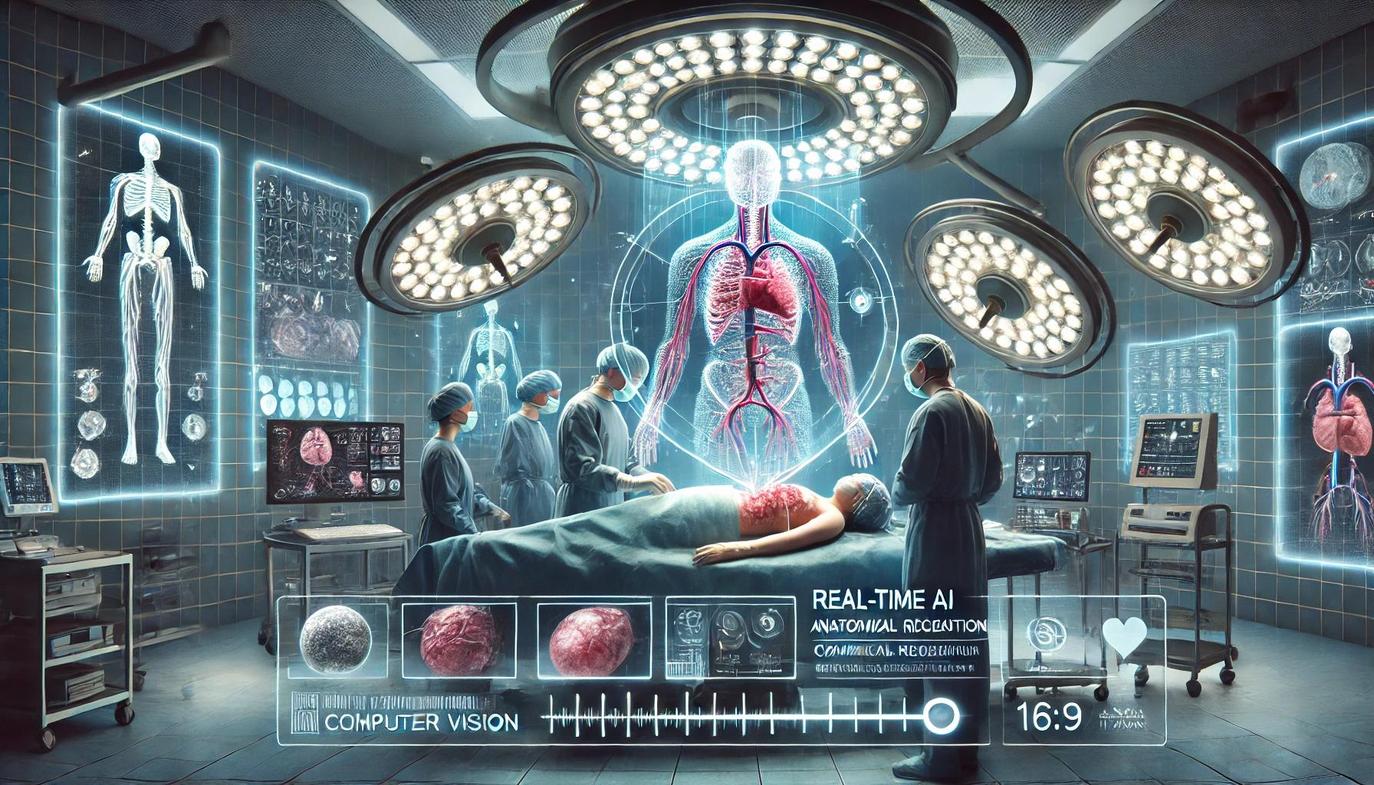
The integration of computer vision allows these systems to recognize anatomical structures and provide real-time guidance. Integrated computer vision proves particularly valuable during complex procedures where precision determines clinical success. Surgeons maintain control while benefiting from AI assistance that adapts to individual patient anatomy.
Next-generation platforms learn from collective surgical experiences, continuously improving capabilities through shared procedural data. This collaborative intelligence helps surgical teams avoid potential complications before they occur.
Simulation-Based Training
Surgical simulations provide high-fidelity environments where professionals practice complex procedures without patient safety concerns. These virtual training grounds respond dynamically to user actions. They mimic tissue resistance, blood flow, and anatomical variations with remarkable accuracy.
Personalized scenarios adapt to specific skill levels, making the training process significantly more effective. Systems identify individual weaknesses and automatically generate practice situations that address those areas. This targeted approach significantly accelerates skill development compared to traditional methods.
Medical students particularly benefit from these technologies by gaining exposure to rare cases and complications. These are often scenarios they might not encounter during standard residency programs. The ability to practice high-risk scenarios without patient safety concerns builds confidence and competence before entering actual operating rooms.
Healthcare facilities report that surgeons trained with AI simulations demonstrate greater procedural efficiency and reduced error rates during real operations. The technology bridges the gap between theoretical knowledge and practical application, creating more prepared surgical professionals.

Future Outlook: Strategic Synergy and Collective Intelligence
The trajectory of medical innovation is undeniably intertwined with the evolution of artificial intelligence in product development, establishing a new benchmark for high-precision care across all medical disciplines. By bridging the gap between raw data and actionable clinical insights, these technologies empower healthcare providers to deliver treatments that are not only faster to market but more effective for the individual patient.
The synergy between human expertise and machine intelligence ensures that the next generation of medical products will be safer, more accessible, and more attuned to the complexities of the human body. As the industry continues to mature, the focus will likely shift from simple automation toward deep collaborative intelligence that proactively identifies clinical requirements through advanced predictive modeling.
Embracing these shifts requires a commitment to both technological excellence and ethical oversight, ensuring that patient outcomes remain the primary metric of success. Ultimately, the transformation of medical product innovation through AI is not just about the tools we use, but about the lives we can save and the quality of care we can provide for generations to come.
Common Questions and Strategic Insights for Medical AI
How does AI improve medical device safety?
AI enhances safety by simulating millions of usage scenarios and analyzing real-world performance data to identify potential failure points before a device reaches the patient.
Will AI replace researchers in drug discovery?
No, AI serves as an augmentative tool that processes vast datasets to find promising candidates, allowing human scientists to focus their expertise on validation and clinical strategy.
What is the primary benefit of AI in clinical trials?
The most significant impact is the dramatic reduction in timelines, often speeding up patient recruitment and data analysis by up to 30%.
Are AI-guided surgeries safer than traditional methods?
AI-powered robotic systems provide micro-precise actions and real-time anatomical recognition, which can reduce human error and tremor-related complications during complex procedures.
How does simulation-based training impact new surgeons?
Simulations allow practitioners to master rare and high-risk procedures in a risk-free environment, leading to increased confidence and reduced error rates in the operating room.

